
The Story So Far, Week 2

We are almost at the end of another week of reading and it has been another week packed full of stories from Genesis. We talked during our reading group about the continuing journey of Abraham and focused a good deal about Jacob/Israel.

One thing that struck me that connects Genesis and John was the hard truth Jesus speaks about how many events in life are there to bring glory to God. What makes this hard is that these events may not be what we find enjoyable.

Jesus heals a blind man in John 9, and people wondered who sinned to bring about this man’s blindness. Jesus’ response is that he did not sin, nor his parents, rather he was born blind so that the works of God might be displayed in him. Surely this man rejoiced at being healed by Jesus, but it must be difficult to look back on years of blindness that were in service of bringing glory to God.

Jesus’ friend Lazarus is sick and his sisters urge Jesus to come quickly to help. Jesus does not hurry and instead stays two additional days before setting out. He says to his disciples, “This illness does not lead to death. It is for the glory of God, so that the Son of God may be glorified through it.” The illness does lead to death, but that death is not final as Lazarus is raised from the dead. Again a seemingly tragic event turned around to bring glory to God.

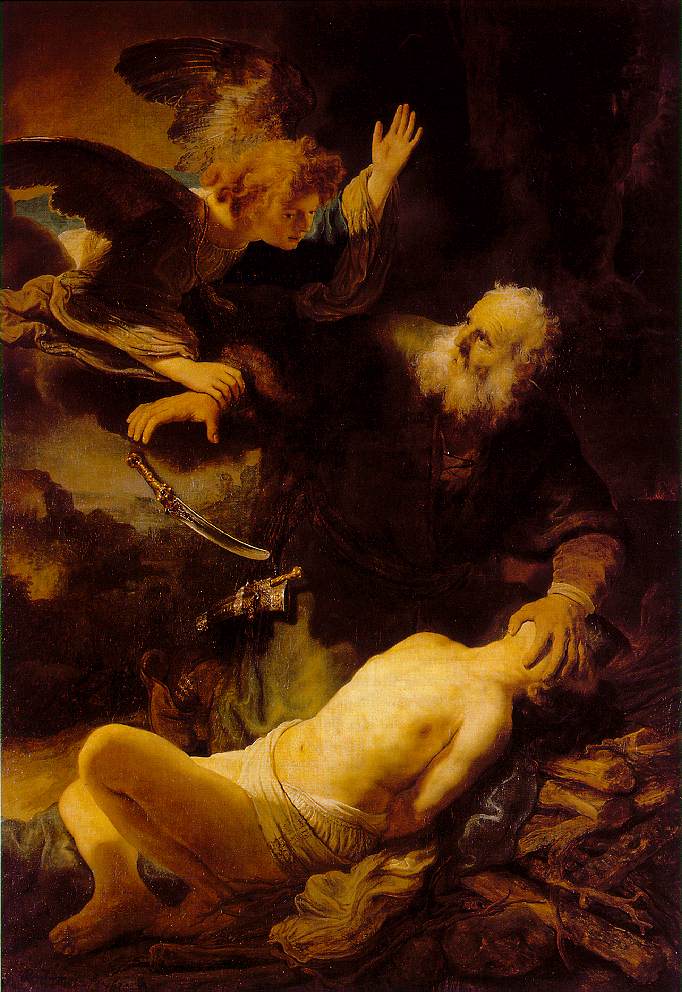
Back in Genesis, Abraham is tested by God as God asks Abraham to sacrifice his son, Isaac. It is a devastating task set before Abraham. But as he is faithful and obedient to God, Abraham learns more clearly just how perfect God’s provision is and God receives glory in providing a ram.

Difficult conditions and tests of life are still difficult for us, even if they do ultimately give glory to God. But this is one of the hard truths of faith that we are always trying to better accept and understand. We are not our own and our lives are to be like living sacrifices, pleasing to God (Rom 12).

It helps me to remember that what God doesn’t require from Abraham, God has done himself. God has given us his only Son. God has endured the greatest sacrifice for our sake. Therefore if my life can in some way bring glory to the one who has brought life for me, I hope and pray that I can do so joyfully.
The Story So Far, Week 1

Here we are almost at the end of our very first week, so I thought I’d take a bit of time to reflect on what we’ve gone through so far and share some of the questions that sprang up during our two reading groups from Wednesday and Thursday.

Genesis always brings up questions about some of the mysterious characters we find in its chapters. The Nephilim were brought up in both groups, and I came prepared with the conclusive response: we just don’t know. There are some theories you can easily search and find on the internet, but we can’t be certain. Sometimes we need to be accepting of mystery and recognize we may not be able to know all things in all ways. But this story is just another example in Genesis about how creation continued to break from the perfect vision God had for it in the opening chapters. Adam and Eve seek to be like God, knowing good and evil. In their pride and disobedience they sin against God and their curse affects all creation. Adam and Eve were “fruitful and multiplied,” but Cain and Abel continue in their pattern of sin. Cain was jealous of his brother and resented God’s favor, so he killed Abel. Wickedness spread over the world as God’s order was resisted and people sought to be their own Lord. The Nephilim fall in line with that, and their entry into the story comes just before the flood, in which we see that God is not detached from his creation. All these rejections of him and his purposes for creation and the way in which his perfect creation is being perverted saddens God. It says in Genesis 6 that God is grieved.

God made this world and declared it good. He intended for us to be in relationship with him, and for that relationship to be ordered properly. But we see in Genesis that our sin distorts that relationship and in fact breaks it. There are many examples of the ways in which humanity disobeys and too often seeks to take the place of God or do the work that God alone can do.

The restoration of this relationship is another work that God alone can do. We turn to John and see again that God is not detached from creation, rather God did the unbelievable. God came into this fallen, wicked world in order to save it. There is a work that he alone could do, so to complete that work Jesus Christ came to us. Jesus Christ in John is shown to be greater than all that came before him, for he alone is the one sent from God, and in fact he is God.

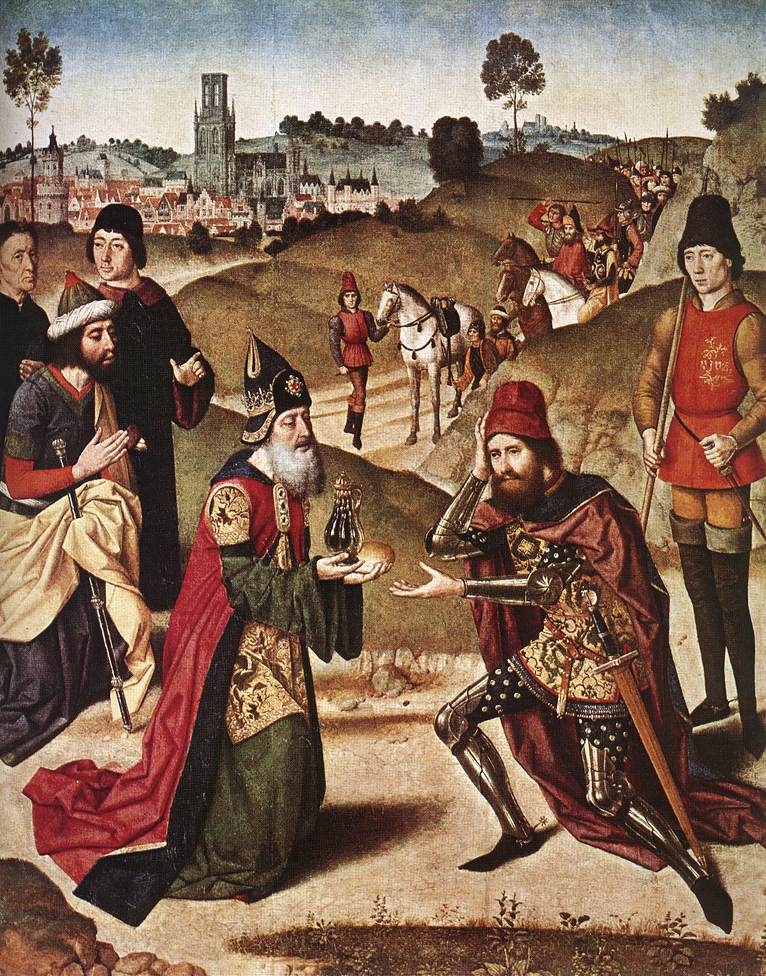
Another mysterious figure is Melchizedek in Genesis, and later in the book of Hebrews Jesus is compared to him. But just as when he is compared to Jacob or Abraham in John, Jesus is seen as one who is even greater when he is compared to Melchizedek . Melchizedek is a priest and king who blesses Abraham, signifying a place of honor over Abraham. But Jesus is the one priest who we now have, who is even greater still. As you read through the Old and New Testaments together you will see the way that Jesus fulfills the signs, symbols, and actions of the Old and how he always does so in a way that is greater. The old is but a shadow of the reality that is in Christ (Col 2:17). We see that exemplified as well in John 3 as Jesus compares himself with a snake lifted up by Moses that brought healing (Numbers 21:8-9), yet Jesus brings healing in a more amazing way and the life he gives is eternal.

If you’ve had more questions or have insights from this last week, I’d love to hear from you. I’m praying for you as you continue this journey. I hope week one has been a joy.